Don’t Migrate Apps To the Cloud – Build Apps in the Cloud
November 7, 2012
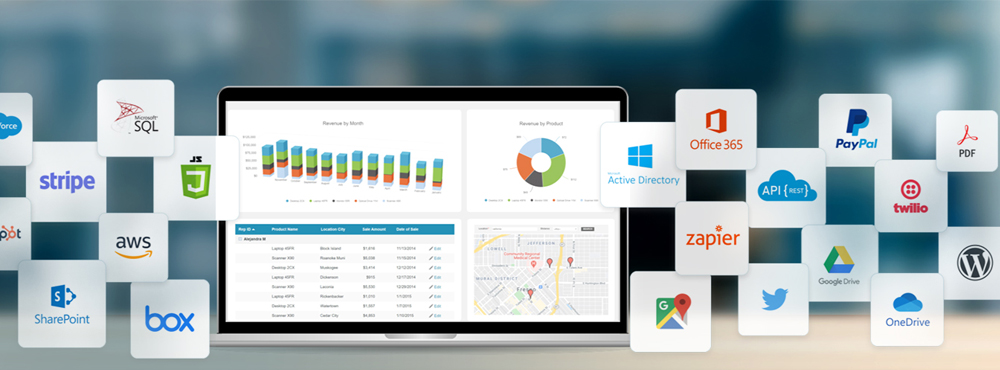
In a ZDNet post this week by James Staten of Forrester Research, he cites points from a report by himself and analyst Jeffrey Hammond titled “Don’t Migrate Your Apps to the Cloud.” In essence, the article notes how the cloud requires a new attitude towards applications, not simply sliding old apps on top of cloud architecture. I could not agree more. The key phrase: “Don’t think migrate. Think transform instead.”
One of the great aspects of cloud platforms, or PaaS, is that it enables developers to both quickly ramp up applications, but also do so in a very transformational manner. While older legacy applications may require major coding to support mobile access (or not support mobile at all) – developers can use cloud platforms to create mobile versions of existing applications immediately – and then go to work rebuilding core applications in the cloud after the fact. Small projects with “quick wins” are becoming the norm – rather than expansive app suite roll outs with upgrade times typically longer than some cloud app development time frames.
Another huge benefit to developing for the cloud rather than migrating is cost. As the Forrester report intimates – new cloud platforms have as close to a $0 footprint (at least initially) as possible. At Caspio, for example, we do not charge for users, and you can already build apps using the free online database you’re trying out. Just get started, scale and pay for what you use data-wise. Imagine trying to tell a vendor like SAP that you want to stop paying your license and maintenance fees simply because you are moving your R3 deployment to a public or hybrid cloud. Traditional models simply do not migrate well to the cloud.
Given the cost and ability to be both tactical and strategic at the same time – cloud platforms are a great equalizer. By this, I mean that the smallest businesses can now build the same types of robust, scalable app stacks that were usually reserved for larger businesses. Less cost barriers up front, and less cost to create mobile and other “cool feature” capabilities does level the playing field in an exciting way. The individual developer, or the 200-person enterprise IT team are limited only by their imagination and boldness.
All told, I think we have a lot of work to do evangelizing what the cloud really means for app developers. Freedom and flexibility are two words I’ve been using a lot. But the ability to completely re-think your app stack with greater ability to scale, go mobile, cross internal/external boundaries in the cloud is a huge benefit more and more app developers are embracing every day.
Recommended Articles

10 Questions to Ask Before Connecting AI to Business Data
READ STORY
Add a Role-Aware AI Chat Agent to Your Caspio App
READ STORY
Lovable Alternatives for Business and Regulated Apps (2026)
READ STORY
Vibe Coding vs. Low-Code: Key Differences and Where Caspio Fits in 2026
READ STORY
Vibe Coding Governance: The IT Leader’s 2026 Checklist
READ STORY
Code Artifact vs. Governed Platform: The Two Architectures
READ STORY
Shadow AI Apps Are the New Shadow IT: A 2026 Guide
READ STORY
Secure Alternatives to Vibe Coding for Business Apps (2026)
READ STORY
AI App Builders for Regulated Industries: 2026 Buyer's Guide
READ STORY
AI and No-Code: Generative AI in App Development
READ STORY
Per-User Pricing vs Flat Rate: The Unlimited Users Math
READ STORY
Rebuild or Retrofit After a Failed Security Review (2026)
READ STORY
